Fun Animals Wiki,Videos,Picture,Stories
Showing posts with label whales. Show all posts

Tuesday, June 6, 2017

9 animals with extremely long migrations


Animals migrate for a lot of different reasons. Some travel long distances on a seasonal basis for food, finding their meal of choice hundreds and thousands of miles away. Others make their journeys to find mates while still others do it to avoid unfavorable weather, staying just ahead of the winter line as it creeps down from the poles every year.

The length of animal migrations vary as much as the reasons for doing it. Most migrations are measured in miles, though some animals like the golden jellyfish might travel just a few hundred meters on their daily migration, following the sun. Some kinds of plankton start their day hundreds of feet down the water column before coming up nearer the surface while the sun is out. At night they migrate back down to lower depths.

We wanted to focus on those species that undertake the really long migrations. Which are the most well-traveled animals in the world? Which organisms are traveling thousands, and even tens of thousands, of miles in pursuit of a better meal, warmer weather, or a chance to find a mate and reproduce?

We scoured the globe far and wide and bring you these nine animals with seriously long migrations.

Monarch butterfly

Monarch butterfly
Of all the animals listed here, the monarch butterfly’s total migration is the shortest, at just a few thousand miles at most. But what they lack in overall distance, they more than make up by how they do it. See, the thing is, monarch butterflies only live for a couple of months. Their migration can take six months. This means that it takes two to three generations of butterflies for each migration! Somehow the knowledge of how to travel thousands of miles is embedded in their DNA and is finely attuned to allow them to pick up the path, no matter where they are born along it.

Monarch butterflies generally head south around August and north in the spring. Their Mexican wintering grounds were only discovered in the '70s and entomologists are still unsure about the biological mechanisms that allow for their multi-generational migration.

Whales

Whales
We decided to lump whales together into one large category because otherwise half the animals listed would be one kind of whale or another. Whales have the benefit of being massive and living in a medium — the wide open ocean — that is conducive to long-distance travel.

Humpback whale


Humpback whale
Humpback whales are one of the largest animals in the world and can grow longer than 50 feet in length. Humpback whales were nearly driven to extinction by whaling, but a 1966 moratorium on hunting the species has helped their numbers recover. They are solitary animals and spend their summers eating in cold polar waters. In the winter, they migrate towards the equator to find a mate and breed. In all, your typical humpback whale can put in more than 6,000 miles of travel in a year.

Gray whale

Gray whale
Gray whales are another huge denizen of the deep and can grow to be nearly as large as the humpback. They too have proven to be attractive targets for whaling harpoons and their estimated population is just north of 20,000. Gray whales are recognized as having one of the longest migration routes for a mammal and can travel 10,000-12,000 miles in a year, spending the summer feeding in the waters between Alaska and Russia and mating and calving down around the Baja peninsula.

Southern right whale

Southern right whale
The range of the Southern right whale extends from the coast of Antarctica to the southern most reaches of South America, Africa and Australia. They feed in the Southern Ocean in the summer and then migrate north, like the humpback and gray, to breed. There is still a lot we don’t know about the migratory grounds of the Southern right whale, but scientists have documented one way journeys of 2,750 miles (double it to get a round trip total of 5,500 miles).

Arctic tern
Arctic tern
Birds are another type of animal well known for long migrations. Like whales, they live in a medium, the open sky, made for migrating. Birds take advantage of this by churning in some big miles. The Arctic tern, one of the longest migrators on the planet, can travel a mind boggling 44,000 miles in a year (Earth is just under 25,000 miles around). They do this by making a trip from their summer breeding grounds in the Arctic all the way to the Antarctic to winter, and back, every year. Multiply that by the roughly 30 years an average tern lives, and you can get more than 1 million miles in a lifetime. Too bad they don’t get frequent flyer miles for that.

Pectoral sandpiper

Pectoral sandpiper
You wouldn’t think that the pectoral sandpiper would be a champion migrator just by looking at it — the small bird’s average wingspan is only around a foot and a half. But the pectoral sandpiper puts in some serious miles on the wing — more than 18,000 in a year. They travel annually from breeding grounds in the northern hemisphere (Alaska, Canada, and northern Asia) to the Southern Hemisphere (South America and Australia).

Sooty shearwater


Sooty shearwater
The sooty shearwater is a large bird, with a wingspan more than three feet wide. They make their mammoth yearly migration of more than 40,000 miles by circling between the Northern and Southern Hemispheres. In 2005, scientists tagged 19 sooty shearwaters and watched in amazement as they flew huge distances in pursuit of warm weather and productive feeding grounds.

Globe skimmer dragonfly

Globe skimmer dragonfly
The globe skimmer dragonfly is well named. One of the most widely distributed dragonfly in the world, they have been observed making journeys more than 2,300 miles and scientists think they could put in more than 11,000 miles of travel in a year. Not bad for an insect just a couple of inches in length.

Adelie penguins

Adelie penguins
Like all penguins, Adelie penguins spend their lives plying the waters of Antarctica. This curious little bird splits its year between breeding and feeding grounds that can require more than 10,000 miles of travel of transit. In 2003, penguin researchers tagged two colonies living on Antarctica’s Ross Island and found average birds migrating a little more than 8,000 miles with the longest route being nearly 11,000 miles.
read more "9 animals with extremely long migrations"

Tuesday, February 21, 2017

11 Wild Animal Species You Never Knew Were Endangered


Orangutans

01_Wild_animals_species 
There are two species of orangutans: Bornean, ones that prefer the ground over the trees, and Sumatran, which have longer facial hair and develop closer bonds with each other. A century ago, their global population was more than 230,000. Now there are between 45,000 and 69,000 Bornean (endangered status) and only 7,500 Sumatran (critically endangered status).

Ground squirrels

02_Wild_animals_species
That’s right, even squirrels are endangered, specifically the San Joaquin antelope ground squirrel. Native to California, these guys have been disappearing since 1979 on account of the construction and human developments going through their habitat. Their total population is unknown, but it could be anywhere between 124,000 and 413,000.

Tigers

03_Wild_animals_species
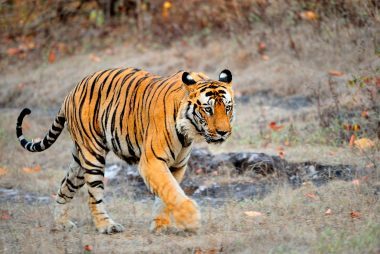
All six tiger species are endangered, with Sumatran and South China tigers at a critically endangered status. The main reasons for their population decline are poaching and destroyed habitats, as humans clear forests to gather timber and build roadways. Only about 3,890 tigers currently live in the wild.

Giraffes

04_Wild_animals_species 
The International Union for the Conservation of Nature recently put giraffes at a vulnerable status, the level just before endangered. The giraffe population has declined a drastic 40 percent in the last 30 years, primarily due to loss of habitat and poaching. Some giraffes are killed just for their tails, which are considered status symbols in Africa.

Hummingbirds

05_Wild_animals_species 
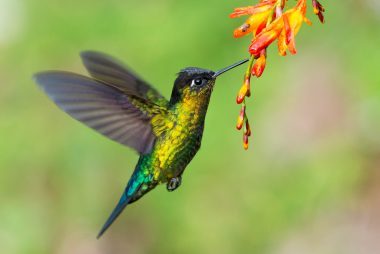
Seven hummingbird species are endangered, all found in the Americas, primarily because of deforestation. The chestnut-bellied hummingbird has fewer than 1,700 mature individuals, and there are less than 400 sapphire-bellied hummingbirds left.

Black rhinos

06_Wild_animals_species 
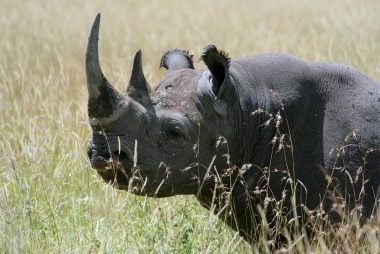
Black rhinos are critically endangered, with fewer than 5,000 left in the world. The rest have succumbed primarily to poaching and illegal trading for their horns. Between 1970 and 1992, hunters killed 96 percent of Africa’s black rhinos. 

Bonobos

07_Wild_animals_species 
War hurts more than just humans. Civil unrest in the Democratic Republic of the Congo has made bonobos more vulnerable to poachers and continues to destroy their forest homes. It’s unclear how many bonobos there are—probably 10,000-50,000—but scientists believe their population will continue to decline over the next 50 years.

Whales

08_Wild_animals_species 
As few as 300 North Atlantic right whales remain in the wild, and the populations among the other seven species range between 10,000 and 90,000. Pollution is a major threat for these aquatic giants, but according to the World Wildlife Fund, more than 1,000 whales are killed every year for commercial purposes.

Asian elephants

09_Wild_animals_species 
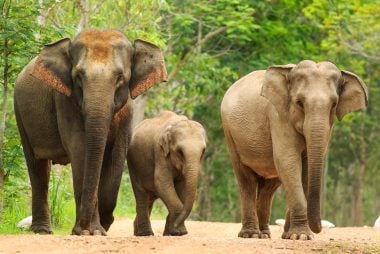
The main threat to Asian elephants, one of the most intelligent animals, is their shrinking habitat. As the human population grows, people invade their land to build roads and railway tracks. Elephants in Myanmar are at an especially high risk for being captured and traded or used illegally in the tourist industry. Fewer than 50,000 are left on the entire continent. 

Chimpanzees

010_Wild_animals_species 
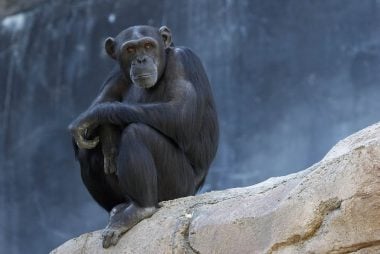
Game meat from chimps, called bushmeat, has become a delicacy for wealthy African residents, which makes them a prime target for poaching. Additionally, baby chimpanzees are taken from their natural habitats and sold as pets in nearby cities. Their current population is somewhere between 173,000 and 300,000.

Sea lions

011_Wild_animals_species 
ImagingSea lions native to Australia, New Zealand, and the Galapagos Islands are all on the endangered species list. Their main threat is bycatch, which occurs when they are accidentally caught in fishing equipment while commercial fishers are trying to catch other fish. New Zealand sea lions are predicted to be extinct in five generations, about 50 years.
read more "11 Wild Animal Species You Never Knew Were Endangered"

Sunday, April 19, 2015

6 Animals with Insanely Far Migration Routes


Millions of types of animals migrate due to different reasons. Some take on the travel in search for food, to mate, or even due to the season. The length of how far they travel varies as much as their reason to migrate. Most routes are measured in miles, but can you imagine migrating from one end of the earth to another?

Below are 6 animals with remarkably far migration routes and the reasons why they move in the first place.

Monarch butterfly
Monarch butterfly
Although they don’t travel as far as the other animals in the list, these beautiful butterflies still take a journey that sounds impossible to finish in a lifetime. In fact, since they only have a few months to live, it actually takes about two to three generations to finish the whole migration pattern. This means that as they are born, mature, propagate and die, they are actually following the migration route. The route is embedded in the butterfly’s DNA so no matter where they are born, they continue on the path. They mainly migrate due to the changing of the season.

Whales
Whales
Most whale species migrate in a variety of distances, mainly to feed and breed in different hemispheres. Humpback whales, which are one of the biggest animals on the planet, would spend their summers feeding in the polar waters but would travel more than 6,000 miles to breed during winter. Gray whales can travel 10,000 to 12,000 miles in a year. And the southern right whale can reach a total traveled distance of 5,500 miles just to finish their breeding and feeding migration cycle.

Arctic tern

Arctic tern
Some bird species are known for their long migration patterns. Arctic terns are able to travel a staggering 44,000 miles in a single year. They breed during the summer in the Arctic and move to the Antarctic areas during winter and then back again every year. This bird can beat anyone when it comes to frequent flyer points.

Pectoral sandpiper
Pectoral sandpiper
This bird may not be as big as other migratory birds, but the pectoral sandpiper travels a distance of 18,000 miles a year. They fly annually from their breeding grounds in northern Asia, Canada and Alaska to the Southern Hemisphere, specifically Australia and South America.

Sooty shearwater
Sooty shearwater
A large bird that has a wingspan that reaches about three feet wide, this bird is built for flying. They migrate yearly, traveling a distance of 40,000 miles. They circle between the North and South Hemispheres to feed and breed.

Globe skimmer dragonfly
A perfect name for this amazing insect, the globe skimmer dragonfly is probably the most well-traveled insect on earth. Although they only grow to about an inch in length, these dragonflies are able to travel a journey that will take them 2,300 miles to finish. And since they move more than once a year, scientist say that they can achieve a total traveled distance of about 11,000 miles per year.
read more "6 Animals with Insanely Far Migration Routes "

Monday, February 2, 2015

The Humpback Whale


The humpback whale is one of the bigger species of whale with the average adult humpback whale measuring more than 15m long (thats still about half the size of the blue whale).
Humpback Whale
Humpback whales are found in all of the main oceans worldwide, but the humpback whales tend to stay in three main herds, the Atlantic, the Pacific and the Indian Ocean herds. There were once thought to be less than 15,000 humpback whale individuals left in the wild, with the humpback whale population declining by nearly 90% when whale hunting became popular with humans, meaning that the humpback whale was on the verge of extinction. Since new whaling laws have been put into place the humpback whale population has been allowed to grow again and today there are believed to be roughly 80,000 humpback whale individuals left in the wild.
Humpback Whale
The humpback whales spend the summer months in the colder, polar waters and then the humpback whales migrate south in the winter to the warmer tropical waters where the humpback whales live off their fat reserves until they migrate north again in the summer. The average humpback whale can travel to around 25,000 km every year when the humpback whale migrates between the north and the south.
Humpback Whale
Humpback whale mothers tend to give birth to their young during the winter months when the humpback whales are in the warmer, southern waters. The humpback whale mother feeds her calf on the milk that she produces but this means that the humpback mother is often very week when she returns to the colder, northern waters in the summer as the humpback whale mother often will not have eaten since the migration south months before.

The humpback whale is a species of Baleen whale and is thought to be closely related to the blue whale and the minke whale. As the humpback whale is a type of Baleen whale, this means that the humpback whale has rows of plates in the enormous mouth of the humpback whale, which the humpback whale uses to filter small particles of food out of the water. The humpback whale therefore does not have teeth.

Humpback whales primarily feed off krill and plankton that are present in their billions in richer waters. The humpback whale will also eat small fish and crabs that get taken into the vast mouth of the humpback whale when the humpback whale is filtering large amounts of water in order to extract the nutrients from it.

The humpback whale has not one but two blow holes, which are located on the top of the humpback whales head. The blow holes of the humpback whale enable the humpback whale to breathe in air on the surface of the water. Humpback whales spout (breathe) around 1-2 times per minute when the humpback whale is resting, and 4-8 times per minutes after the humpback whale has made a deep dive into the ocean. The blow of the humpback whale is a double stream of spray that rises between 3 and 4 meters into the air above the surface of the water.

Humpback whales are often seen migrating together in large pods but the relationships between groups of humpback whales are thought to be temporary and only last for a number of days. Humpback whales are also highly acrobatic animals and are often a favourite with whale watchers as the humpback whales can launch themselves high above the surface of the water.
read more "The Humpback Whale"

Monday, August 11, 2014

Team Tags Whales for Ocean Traffic

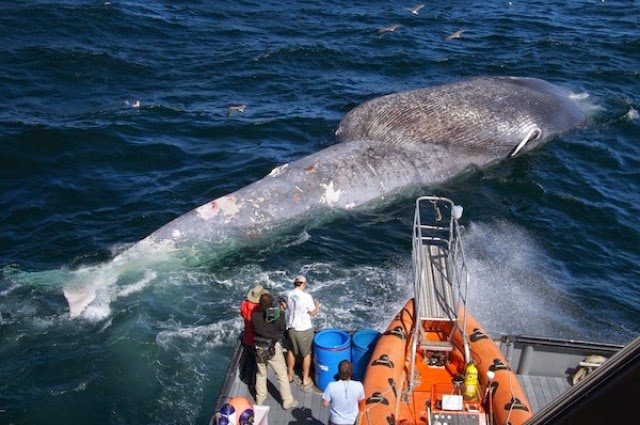
Water makes up a huge percent of the earth’s crust and humans have been flatting and crossing these vast bodies of water for thousands of years. We share the ocean with magnificent, gigantic animals like the blue whale(Balaenopteramusculus), but what happens when our paths cross which could possibly lead to accidents and in worst cases, even death to these beautiful and mysterious creatures?

 
Near the California coast, busy shipping lanes intersect through the common feeding grounds of blue whales so ship collisions are not rare. According to PLoS One, halting or moving shipping traffic when a number of the whales are around could significantly minimize the risk of hitting them.

Blue whales are commonly seen in the north east pacific, traveling from the Alaskan Gulf until the warmer waters of the Costa Rica Dome. Their population rapidly dropped due to commercial whaling. Although there are groups and advocates like the International Whaling Commission who help protect them, their population is still at a terribly low number.

There are about 10,000 blue whales left and around 2,500 of them spend some time in the waters of the U.S. west coast. To find out which areas they usually stay and feed in, a team from Oregon State University tagged 171 of the blue whales with transmitters that they’ve been using to track their movements for the past 15 years.

Knowing where these whales stay when they’re in the west coast can help them reduce any accidents with ships that are also crossing the Pacific in the same route.

read more "Team Tags Whales for Ocean Traffic "

Friday, February 14, 2014

Scientists Can Now Track Whales From Space

Counting whales from a ship or a plane has always been difficult, but now scientists may have a new option: using images from space.
whales
Using space images broadens the viewpoint — and the system is automated.

The DigitalGlobe's WorldView-2 platform uses extremely high-resolution satellite pictures and image-processing software to detect whales on or near the ocean's surface, according to the report in the journal Plos One.

Source: Here
read more "Scientists Can Now Track Whales From Space"

Sunday, January 12, 2014

Conjoined Grey Whales Found in Mexico

Fishermen found the grey whale calves in the Ojo de Liebre lagoon in the Baja California peninsula, which opens up to the Pacific Ocean.
Conjoined whales
The four-metre (13 feet) long creatures, which weighed nearly half a tonne, were linked at the mid-section.

Source: Here

read more "Conjoined Grey Whales Found in Mexico"

Tuesday, September 17, 2013

Ear Wax From Whales Keeps Record Of Ocean Contaminants

How often do whales clean their ears? Well, never. And so, year after year, their ear wax builds up, layer upon layer. According to a study published Monday, these columns of ear wax contain a record of chemical pollution in the oceans.
blue whale


The study used the ear wax extracted from the carcass of a blue whale that washed ashore on a California beach back in 2007. Scientists at the Santa Barbara Museum of Natural History collected the wax from inside the skull of the dead whale and preserved it. The column of wax was almost a foot long.

Source: Here
read more "Ear Wax From Whales Keeps Record Of Ocean Contaminants"

Monday, September 2, 2013

Whales tan to protect from sunburn, study finds

Similar to humans getting a tan, new research shows that the skin pigment of whales increases in response to sunshine.
whales
Published in the journal Nature, the study reveals that some whale species get darker with sun exposure, incurring damage to their DNA, which accumulates with age.

Source: Here
read more "Whales tan to protect from sunburn, study finds"