Fun Animals Wiki,Videos,Picture,Stories
Showing posts with label birds. Show all posts

Tuesday, February 21, 2017

11 Wild Animal Species You Never Knew Were Endangered


Orangutans

01_Wild_animals_species 
There are two species of orangutans: Bornean, ones that prefer the ground over the trees, and Sumatran, which have longer facial hair and develop closer bonds with each other. A century ago, their global population was more than 230,000. Now there are between 45,000 and 69,000 Bornean (endangered status) and only 7,500 Sumatran (critically endangered status).

Ground squirrels

02_Wild_animals_species
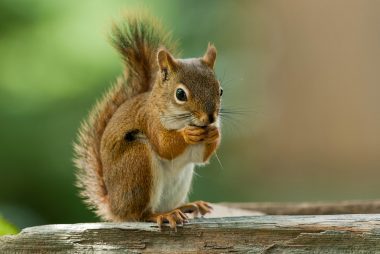
That’s right, even squirrels are endangered, specifically the San Joaquin antelope ground squirrel. Native to California, these guys have been disappearing since 1979 on account of the construction and human developments going through their habitat. Their total population is unknown, but it could be anywhere between 124,000 and 413,000.

Tigers

03_Wild_animals_species
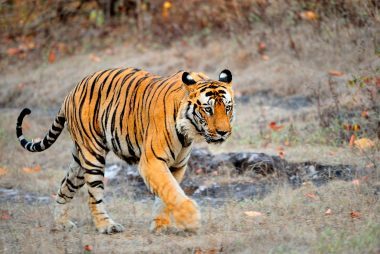
All six tiger species are endangered, with Sumatran and South China tigers at a critically endangered status. The main reasons for their population decline are poaching and destroyed habitats, as humans clear forests to gather timber and build roadways. Only about 3,890 tigers currently live in the wild.

Giraffes

04_Wild_animals_species 
The International Union for the Conservation of Nature recently put giraffes at a vulnerable status, the level just before endangered. The giraffe population has declined a drastic 40 percent in the last 30 years, primarily due to loss of habitat and poaching. Some giraffes are killed just for their tails, which are considered status symbols in Africa.

Hummingbirds

05_Wild_animals_species 
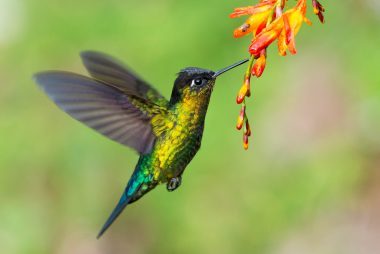
Seven hummingbird species are endangered, all found in the Americas, primarily because of deforestation. The chestnut-bellied hummingbird has fewer than 1,700 mature individuals, and there are less than 400 sapphire-bellied hummingbirds left.

Black rhinos

06_Wild_animals_species 
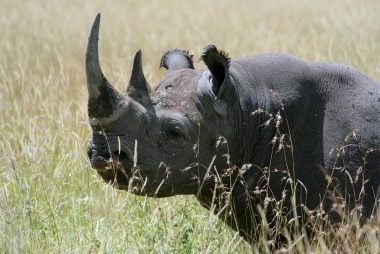
Black rhinos are critically endangered, with fewer than 5,000 left in the world. The rest have succumbed primarily to poaching and illegal trading for their horns. Between 1970 and 1992, hunters killed 96 percent of Africa’s black rhinos. 

Bonobos

07_Wild_animals_species 
War hurts more than just humans. Civil unrest in the Democratic Republic of the Congo has made bonobos more vulnerable to poachers and continues to destroy their forest homes. It’s unclear how many bonobos there are—probably 10,000-50,000—but scientists believe their population will continue to decline over the next 50 years.

Whales

08_Wild_animals_species 
As few as 300 North Atlantic right whales remain in the wild, and the populations among the other seven species range between 10,000 and 90,000. Pollution is a major threat for these aquatic giants, but according to the World Wildlife Fund, more than 1,000 whales are killed every year for commercial purposes.

Asian elephants

09_Wild_animals_species 
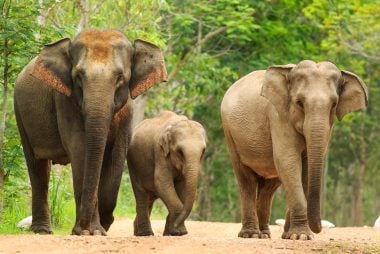
The main threat to Asian elephants, one of the most intelligent animals, is their shrinking habitat. As the human population grows, people invade their land to build roads and railway tracks. Elephants in Myanmar are at an especially high risk for being captured and traded or used illegally in the tourist industry. Fewer than 50,000 are left on the entire continent. 

Chimpanzees

010_Wild_animals_species 
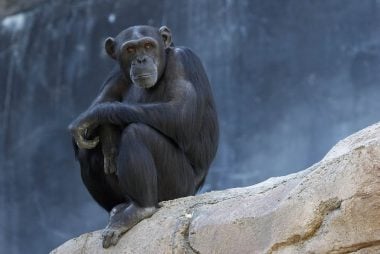
Game meat from chimps, called bushmeat, has become a delicacy for wealthy African residents, which makes them a prime target for poaching. Additionally, baby chimpanzees are taken from their natural habitats and sold as pets in nearby cities. Their current population is somewhere between 173,000 and 300,000.

Sea lions

011_Wild_animals_species 
ImagingSea lions native to Australia, New Zealand, and the Galapagos Islands are all on the endangered species list. Their main threat is bycatch, which occurs when they are accidentally caught in fishing equipment while commercial fishers are trying to catch other fish. New Zealand sea lions are predicted to be extinct in five generations, about 50 years.
read more "11 Wild Animal Species You Never Knew Were Endangered"

Sunday, April 10, 2016

Taxidermied Animals Come Back to Life


Taxidermy had not held much interest for Lynn Savarese, until she signed on as a volunteer photographer for New York City's American Museum of Natural History (AMNH). Though she was simultaneously working on numerous projects in travel, interior, and portrait photography, and as well as works featuring abstracted flowers in decay, her experience with the AMNH made her enamored of the world of dead animals.
“I grew mesmerized by this art form when photographing bird mounts for the AMNH’s archival digitization project,” Savarese tells The Creators Project. “Overwhelmed by the heartbreaking charm of these figures and their disquieting embodiment of both life and death, I sought to understand the medium better. I hadn’t known, for instance, that John James Audubon’s masterful rendering of birds depended on his proficiency as a taxidermist, or that Charles Darwin’s taxidermy skills were essential to his scientific pursuits.”
 
Rat and Bunting 14
During her time as a volunteer, Savarese began to see a narrative among the animals that displayed how life could be carried over into still form. “Through scientific knowledge and acute observation, precise sculptural artistry and theatrical intuition, the taxidermist aims to achieve the illusion of life through the remains of death.” Savarese explains. “Rarely are life and death portrayed simultaneously with such quiet force and wonder.”
 
Rat and Bunting 3
“While enthralled by the enigmatic beauty and character of these specimens, I never lose sight of man’s hubris in turning animals into replicas of themselves and the inherent irony in attempting to achieve immortality for them through killing them. Doubly ironic, however, is that I've never felt more deeply the wonder and beauty of our animal kin than in my close-up encounters with these mounted creatures.”
 
Plumis Zmaragdus
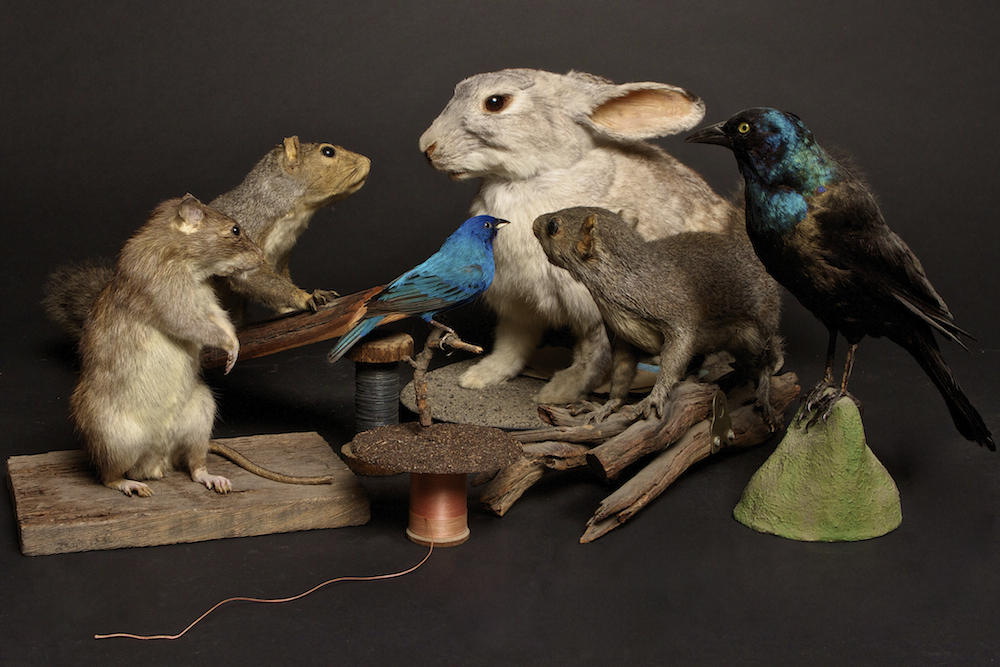
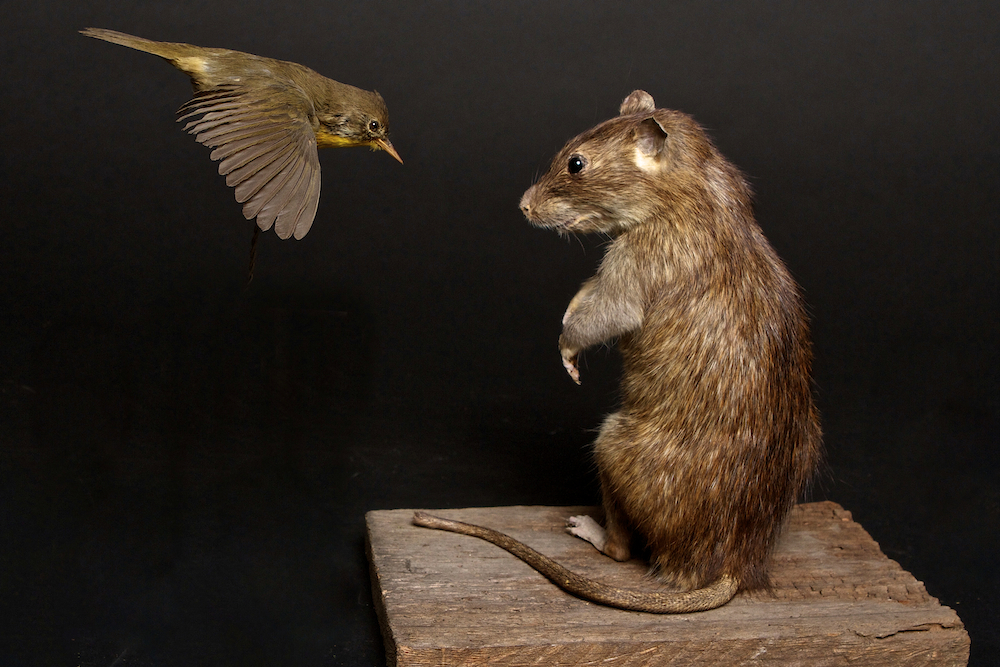
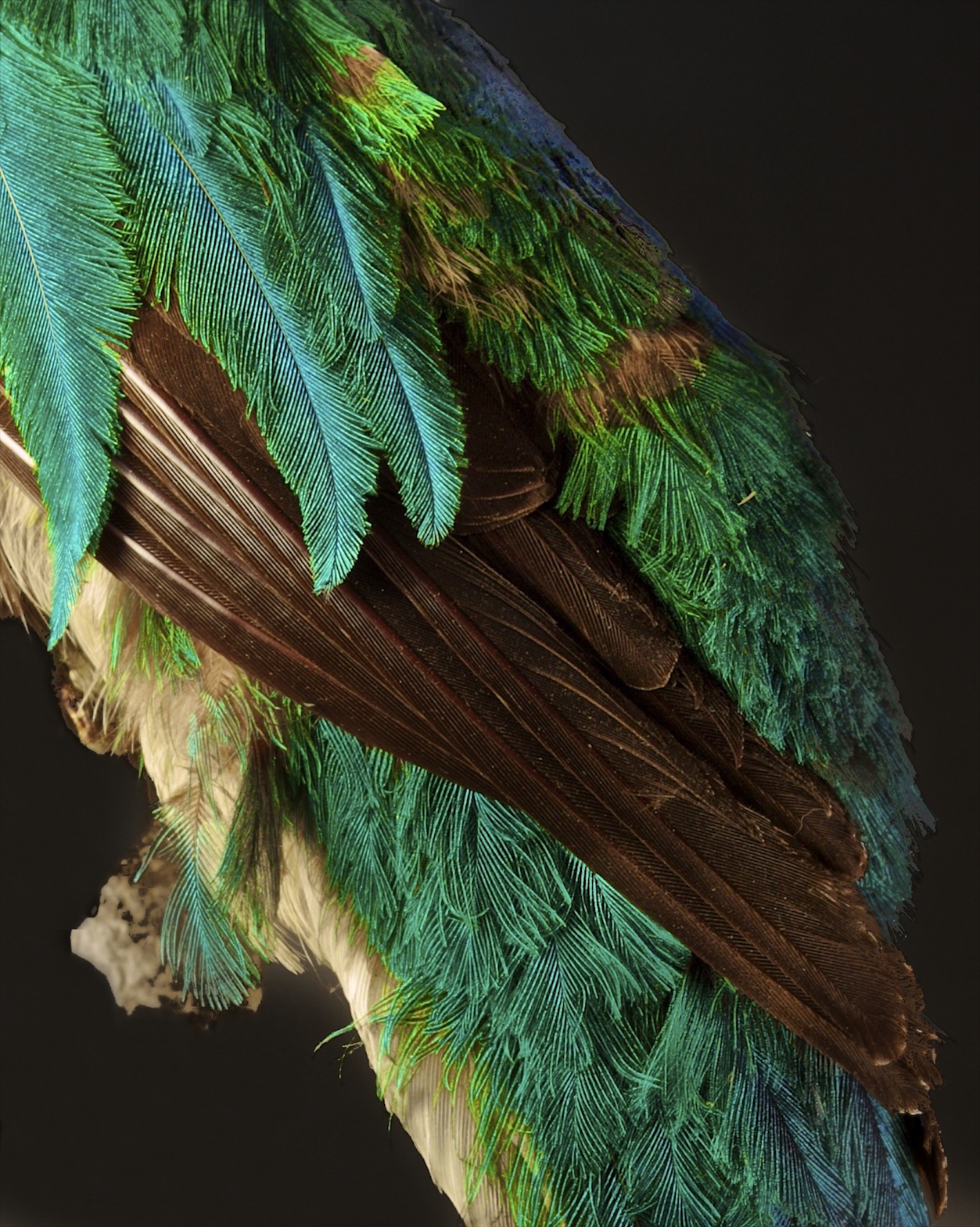
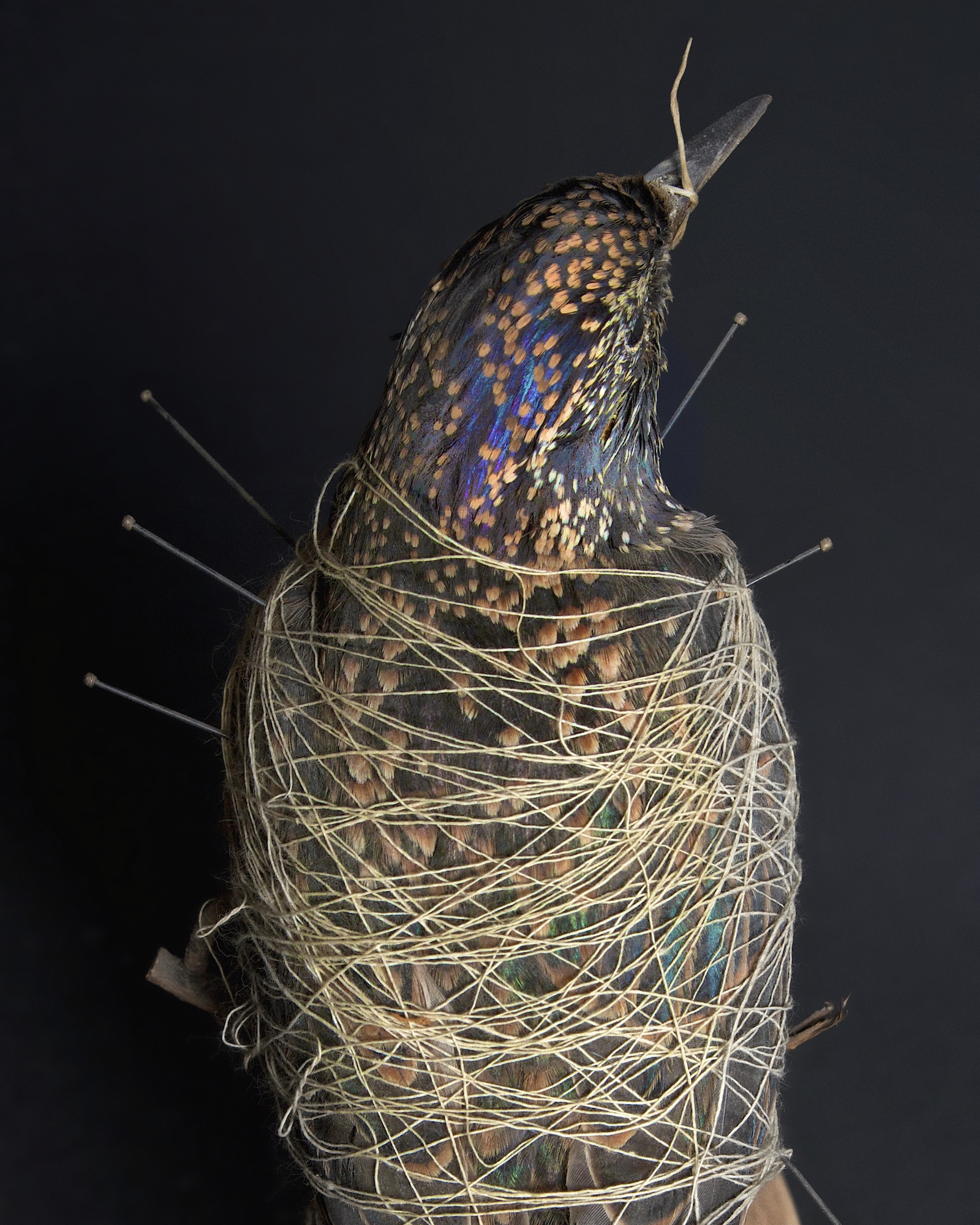
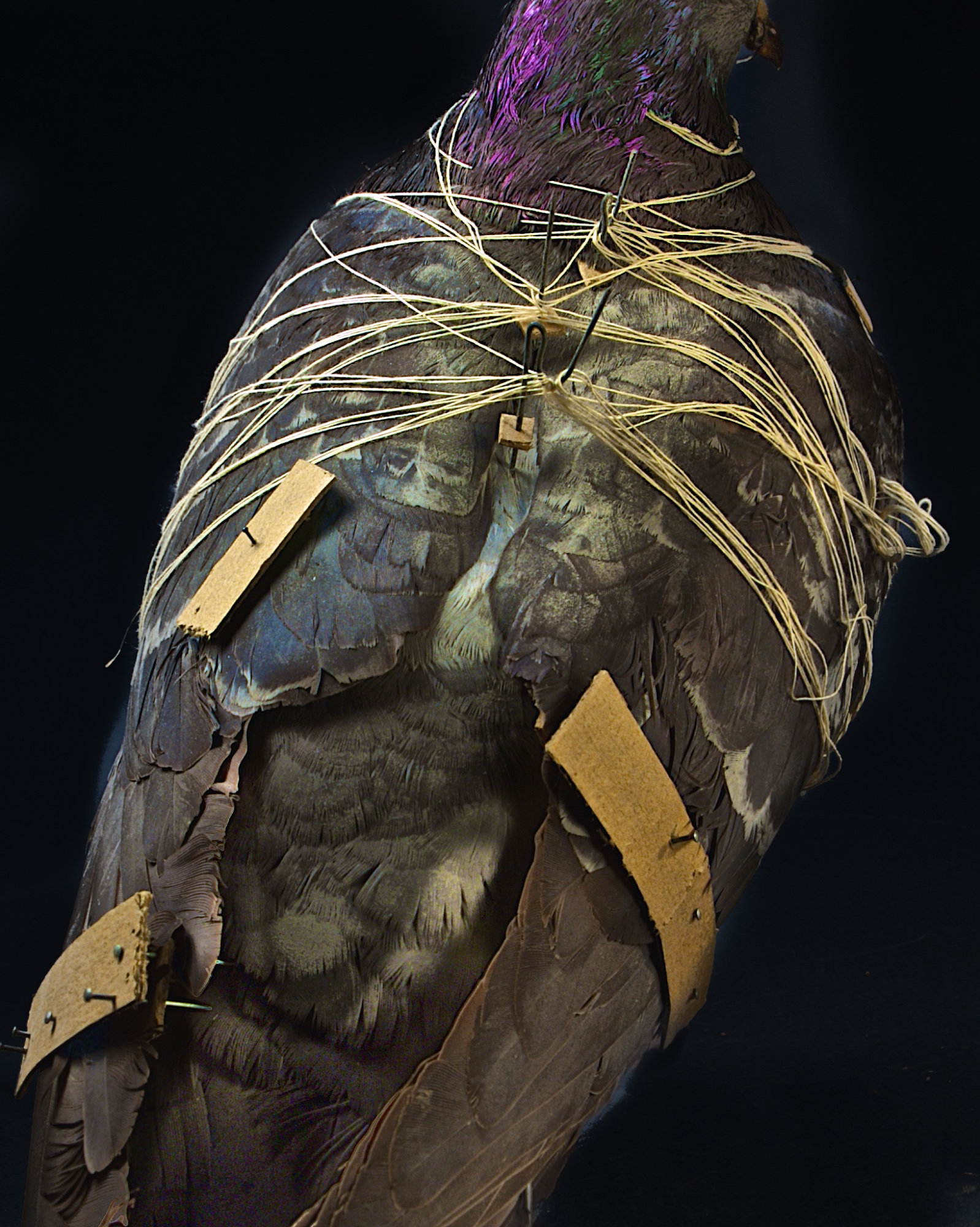
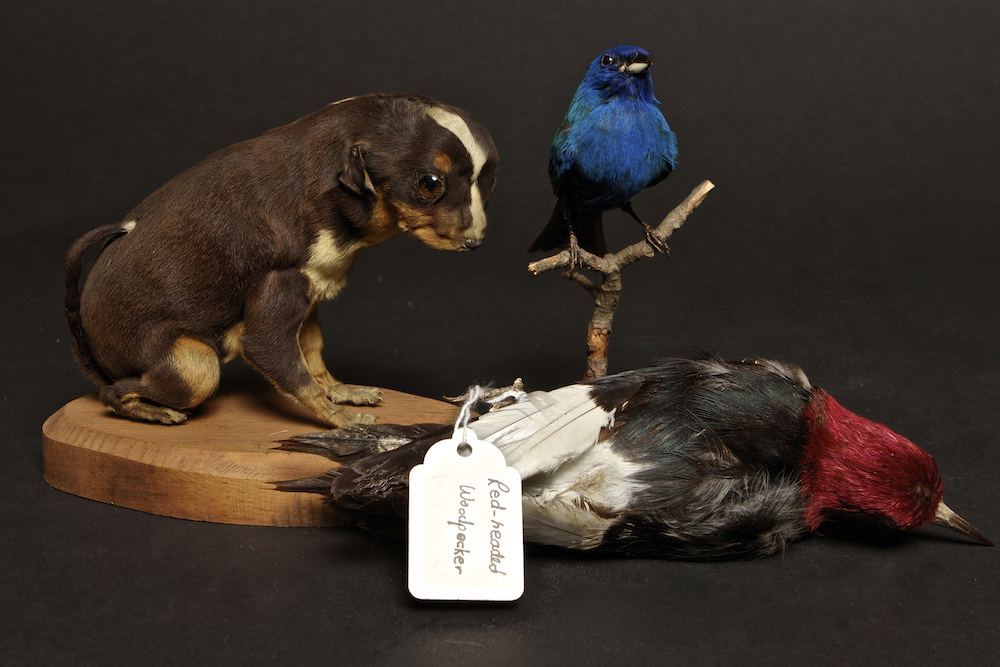
In her first taxidermy series, My Still Life Aviary, Savarese focused on the fate of mounted birds in limbo. “These specimens were too old and tattered to be put on public display, but federal and state law forbids the sale of any that are endangered species to any other party who might have an interest in preserving and protecting them," she tells us. In her second series, The Death and Life Adventures of Rat and Indigo Bunting, she was inspired by E.B. White's masterful portrayal of anthropomorphized animals. Recently, Savarese has started work on a more abstract series called Plumigeri, in which she examines the extraordinarily intricate patterns appearing on the feathered backs of mounted birds.
“In My Still Life Aviary series, my aim was to capture not only the haunting charisma of the mounted birds but also the ethical challenges they present, as well as their power to convey the endangerment and threat of extinction many bird species face today. Paying them tribute through photography became, for me, an almost reverential mission,” says Savarese. “In the future, I would like to experiment with different environments, and draw upon a greater variety of mounted animals.”
“I am excited to be revisiting mounted birds from a new perspective, and enjoying the much more abstract images that emerge when my focus is exclusively on their feathers.”
 
Prometheus Vinctus
 
Afigo
 
Rat and Bunting 9
read more "Taxidermied Animals Come Back to Life"

Thursday, November 5, 2015

Forest birds of Hawaii are the latest animals threatened by climate change


Some of the rarest creatures in the world could become extinct due to fossil fuel dependence.

Researchers used a variety of sources, such as a database of sightings and regional climate projections, which allowed them to predict future changes of distribution of species across the American islands.

An `I`iwi, also known as a scarlet Hawaiian honeycreeper Image credit: Harmonyonplanetearth/flickr
Previous conservation research regarding forest birds has focused on the links between climate change and avian malaria, whereas this study looks at the potential impacts of climate change on at-risk species. It's also easier for scientists to gauge the impact of climate change given the unique species residing on the island and their specific habitat requirements, compared with species in much larger territories. These habitat requirements are what limit any potential population expansion for forest birds.

All ten species investigated for this study are expected to lose over 50 per cent of the range of their habitat by 2100, and three of these species are set to lose over a staggering 90 per cent during the same period.

Hawaiian 'akepa Image credit: Casey Sanders/Wikimedia
One of the species concerned is the Hawaiian 'akepa, a very small bird found in ‘ōhi‘a and koa-‘ōhi‘a trees above 4,500 ft. It was once present in Oahu, one of the smaller islands of Hawaii, but the last possible sighting may have been in 1976. The population is estimated at 12,000 on the main island, but was as low as 230 in Maui in the early Eighties, where it was last heard in 1995.

An ʻōmaʻo (or Hawaiian thrush) Image credit: harmonyonplanetearth/flickr
The ʻōmaʻo, also known as the Hawaiian thrush, is one of the very few examples of a forest bird species high in number. However, because the bird is found only on the main island, it is considered vulnerable to future extinction. The bird feeds primarily on fruit and seeds, but occasionally eats small insects and vertebrates.
Previous research has shown the link between temperature, avian malaria and vectors for diseases, allowing researcher to investigate how climate change will cause malaria to move into higher altitudes, where these forest birds reside. The populations will decrease because of this, and also reduce overall distribution across the islands.

Although the authors recognise some of the successful conservation work such as controlling invasive species, and forest restoration, they conclude these strategies may not be enough, with even intact native forests unsuitable, due to the increasing temperatures spreading avian malaria. Will anyone care to mention these colourful birds at the upcoming UN climate conference in Paris?
read more "Forest birds of Hawaii are the latest animals threatened by climate change"

Tuesday, October 20, 2015

The Animals of the Galapagos Islands


When it comes to biodiversity, the Galapagos Islands are legendary. This small, sparsely inhabited archipelago off the coast of Ecuador has been described by UNESCO as a “living museum and showcase of evolution,” and boasts some of the most unique wildlife on the planet. Over 1,000 species of wildlife living on the islands are found nowhere else in the world, ranging from the famous giant tortoises to the tiny finches that inspired Charles Darwin's theory of evolution.

iguana
 The marine iguana is one of the archipelago's most unusual animals. It's the only modern species of lizard that forages for food in the sea. While living on land, the iguana's main food source is seaweed, forcing this unusual lizard to spend much of its time combing the shoreline and even diving into the sea to find food
The Jagged volcanic rocks of the island of Las Tintoreras make for the perfect environment for marine iguanas to thrive.
red rock crab
 The red rock crab may not be endemic to the Galapagos, but its distict color adds some serious flair to the islands' pitch black, rocky shores.
penguin
 The Galapagos penguin is not only the world's second smallest species of penguin, but also the only type to live in the wild in the Northern Hemisphere.
giant tortoises
And of course, the most famous inhabitant of the islands: the giant tortoises. The Galapagos is just one of two places in the world where giant tortoises can still be found in the wild, and have lived on the archipelago for as long as 3 million years.
 birds
 Birds are everywhere in Galapagos, with more than 56 native species.
flamingo
Perhaps one of the most surprising species of the bird to be found on the island is the Galapagos flamingo. With a population of less than 400, this species has the smallest population of any flamingo variety in the world, and is a starling sight in these far flung islands.
Sea lions
Sea lions are among the Galapagos' most playful inhabitants, and have little fear of humans. As many as 50,000 are estimated to live the islands.
ther non-endemic species is human. The Galapagos is one of the few corners of the globe without an indigenous population. Around 25,000 people live on the islands, with most coming from mainland Ecuador. Photo:Ryan Mallett-Outtrim
Perhaps one of the most surprising species of bird to be found on the islands is the Galapagos flamingo. With a population of less than 400, this species has the smallest population of any flamingo variety in the world, and is a startling sight in these far flung islands.
Perhaps one of the most surprising species of bird to be found on the islands is the Galapagos flamingo. With a population of less than 400, this species has the smallest population of any flamingo variety in the world, and is a startling sight in these far flung islands. Photo:Ryan Mallett-Outtrim
And of course, the most famous inhabitant of the islands: the giant tortoises. The Galapagos is just one of two places in the world where giant tortoises can still be found in the wild, and have lived on the archipelago for as long as 3 million years.
And of course, the most famous inhabitant of the islands: the giant tortoises. The Galapagos is just one of two places in the world where giant tortoises can still be found in the wild, and have lived on the archipelago for as long as 3 million years. Photo:Ryan Mallett-Outtrim
The Animals of the Galapagos Islands
Photo:Ryan Mallett-

This content was originally published by teleSUR at the following address: 
 "http://www.telesurtv.net/english/multimedia/The-Animals-of-the-Galapagos-Islands-20151019-0039.html". If you intend to use it, please cite the source and provide a link to the original article. www.teleSURtv.net/english
The marine iguana is one of the archipelago's most unusual animals. It's the only modern species of lizard that forages for food in the sea. While living on land, the iguana's main food source is seaweed, forcing this unusual lizard to spend much of its time combing the shoreline and even diving into the sea to find food. Photo:Ryan Mallett-Outtrim
The Animals of the Galapagos Islands
Photo:Ryan Mallett-Outtrim
The jagged volcanic rocks of the island of Las Tintoreras make for the perfect environment for marine iguanas to thrive.
The jagged volcanic rocks of the island of Las Tintoreras make for the perfect environment for marine iguanas to thrive. Photo:Ryan Mallett-Outtrim
Sea lions are among the Galapagos
Sea lions are among the Galapagos' most playful inhabitants, and have little fear of humans. As many as 50,000 are estimated to live across the islands. Photo:Ryan Mallett-Outtrim
The Animals of the Galapagos Islands
Photo:Ryan Mallett-Outtrim
The Galapagos penguin is not only the world
The Galapagos penguin is not only the world's second smallest species of penguin, but also the only type to live in the wild in the Northern Hemisphere. Photo:Ryan Mallett-Outtrim
Much of the interior of the island of Santa Cruz is close to impenetrable due to the thick foliage. Across the Galapagos, there are as many as 600 native plants.
Much of the interior of the island of Santa Cruz is close to impenetrable due to the thick foliage. Across the Galapagos, there are as many as 600 native plants. Photo:Ryan Mallett-Outtrim
Not all of the Galapagos is so lush. The crater-riddled landscape around Isabella island
Not all of the Galapagos is so lush. The crater-riddled landscape around Isabella island's Sierra Negra volcano is more like a post-apocalyptic wasteland than a tropical island paradise, complete with dried lava flows and piles of sulfur. Photo:Ryan Mallett-Outtrim
Birds are everywhere in Galapagos, with more than 56 native species.
Birds are everywhere in Galapagos, with more than 56 native species. Photo:Ryan Mallett-Outtrim
The red rock crab may not be endemic to the Galapagos, but its distinct color adds some serious flair to the islands
The red rock crab may not be endemic to the Galapagos, but its distinct color adds some serious flair to the islands' pitch black, rocky shores. Photo:Ryan Mallett-Outtrim
Another non-endemic species is human. The Galapagos is one of the few corners of the globe without an indigenous population. Around 25,000 people live on the islands, with most coming from mainland Ecuador.
Another non-endemic species is human. The Galapagos is one of the few corners of the globe without an indigenous population. Around 25,000 people live on the islands, with most coming from mainland Ecuador. Photo:Ryan Mallett-Outtrim
Perhaps one of the most surprising species of bird to be found on the islands is the Galapagos flamingo. With a population of less than 400, this species has the smallest population of any flamingo variety in the world, and is a startling sight in these far flung islands.
Perhaps one of the most surprising species of bird to be found on the islands is the Galapagos flamingo. With a population of less than 400, this species has the smallest population of any flamingo variety in the world, and is a startling sight in these far flung islands. Photo:Ryan Mallett-Outtrim
And of course, the most famous inhabitant of the islands: the giant tortoises. The Galapagos is just one of two places in the world where giant tortoises can still be found in the wild, and have lived on the archipelago for as long as 3 million years.
And of course, the most famous inhabitant of the islands: the giant tortoises. The Galapagos is just one of two places in the world where giant tortoises can still be found in the wild, and have lived on the archipelago for as long as 3 million years. Photo:Ryan Mallett-Outtrim
The Animals of the Galapagos Islands
Photo:Ryan Mallett-

This content was originally published by teleSUR at the following address: 
 "http://www.telesurtv.net/english/multimedia/The-Animals-of-the-Galapagos-Islands-20151019-0039.html". If you intend to use it, please cite the source and provide a link to the original article. www.teleSURtv.net/english 
 
read more "The Animals of the Galapagos Islands"

Sunday, July 26, 2015

Yellow-billed Hornbill

The yellow-billed hornbill has a yellow bill with red tip and cutting edges. The bare skin on the face and throat is red. The plumage is gray-black on the forehead to nape. It has a black mantle with a white center line. The wings and tail are black and white, and the eyes are a yellowish white. The yellow-billed hornbill can become tame very easily and is often found near human dwellings. READ MORE


Diet: Carnivore: insects and small animals


read more "Yellow-billed Hornbill"

Sunday, January 25, 2015

Tropicbird


The tropicbird is a large species of sea bird found nesting on the warmer cliffs and islands that dot our oceans. Despite having been thought to be closely related to other large sea birds such as pelicans, boobies and frigatebirds, the tropicbird has been recently classified in a group of it's own.
Tropicbird
There are three different species of tropicbird found throughout the tropical Atlantic, Pacific and Indian Oceans. The exact range and location depends on the species of tropicbird, although all three species can be found in parts of all the major oceans.
Tropicbird
Tropicbirds are large-sized birds ans can grow to up to a meter in height. The three different tropicbird species are the red-billed tropicbird, the red-tailed tropicbird and the white-tailed tropicbird, all of which are generally white in colour with long tail feathers, and thin spindly legs.
Tropicbird
Tropicbirds are known to catch their prey by plunging into the surface of the water in order to snap up their dinner. Away from their breeding colonies, tropicbirds are generally solitary animals usually seen hunting on their own or in a pair.

Like other sea birds, tropicbirds are carnivorous animals as they feed primarily on fish. The flying fish is a favourite meal for the tropicbird along with the occasional squid or crustacean. The method of hunting used by tropicbirds is known as plunge-diving, and is common practise for many sea birds.

Due to their large size and airborne lifestyle, the tropicbird has few (if any) natural predators in it's environment. The primary predators of the tropicbird are small carnivores such as dogs, stouts and cats that have been introduced to areas by humans, and generally hunt the smaller tropicbird chicks.

Tropicbirds nest in dips, crevices and holes on the ground in large breeding colonies, usually found on cliff tops or small tropical islands. The female tropicbird lays a single egg, which hatches after being incubated by both parents for about 6 weeks. Both the male and female tropicbirds then feed their chick together until it fledges (flies away from the nest), at around 3 months old.

Today, tropicbird populations still seem to be thriving as they have not come under threat from drastic habitat loss. However, the arrival of non-native species to islands and increasing levels of water pollution, both have an affect on tropicbird populations.
read more "Tropicbird"

Wednesday, January 14, 2015

Frigatebird


The frigatebird (also known as the man of war bird and the pirate bird) is a species of sea-bird found in warmer, tropical regions. Frigatebirds are thought to be most closely related to pelicans giving rise to another name for them, which is the frigate pelican.
Frigatebird
The frigatebird is a large species of sea-bird that has an enormous wingspan that often exceeds two meters in length. Male frigatebirds are most commonly known for their red throat pouch, which are inflated to attract female frigatebirds during the mating season.

Frigatebird
 Frigatebirds are generally black in colour although some frigatebirds look slightly browner than black. Outside of the mating season, male frigatebirds and female frigatebirds can be easily identified due to the fact that the female frigatebird has a white patch on her underside.
Frigatebird
There are five different species of frigatebird that inhabit tropical islands and coasts, with the majority of frigatebird individuals being found in the Pacific Ocean although some do inhabit areas of both the Indian and Atlantic Oceans. The magnificent frigatebird, the Ascension frigatebird, the Christmas frigatebird, the great frigatebird and the lesser frigatebird are the five different frigatebird species.

The frigatebird has the largest wingspan in comparison to it's body of any bird species in the world, so the frigatebird is naturally an adept pilot. Frigatebirds have been known to stay in the air for nearly a whole week and only land on the rocky cliffs to breed or to rest.

Unlike the incredible flying ability of the frigatebird, the frigatebird is unable to walk that well and cannot swim. Frigatebirds have a diet that consists of marine animals and so frigatebirds have to pluck their prey from the water without landing as they are unable to take-off from a flat surface such as water.

Frigatebirds are sea-birds and therefore tend to have a meat-based carnivorous diet. Firgatebirds primarily eat fish including flying fish, along with crustaceans, molluscs and even small sea turtles.

Due to the large size of the frigatebird and the fact that the frigatebird spends the majority of it's life in the air, frigatebirds have few natural predators with humans being the main predator of the frigatebird. Introduced species such as rats, stoats and domestic cats are commonly found hunting frigatebirds and their eggs on the land.

Female frigatebirds lay only one egg every couple of years as the frigatebird chicks taken an average of 9 months to rear. Both the male frigatebird and the female frigatebird feed their chick for the first few months but the male frigatebird will then leave the colony leaving the female frigatebird to do the rest of the rearing by herself.

read more "Frigatebird"

Friday, January 2, 2015

Black vultures

Black vultures good looks are not a prerequisite to a faithful relationship. In fact, black vulture society makes sure of that. They have been known to attack other vultures that have been caught philandering.


read more "Black vultures"

Monday, December 29, 2014

Cardinal

Cardinal is the only red bird in eastern North America with a crest on top of his or her head, which rises when the bird senses danger.


read more "Cardinal"

Sunday, December 28, 2014

Quetzal

Quetzal is an incredibly coloured bird with males displaying a bright metallic green or blue on most of their bodies besides the deep red of the chest and belly.


read more "Quetzal"