Thanks to developments in science like cloning and selective breeding, it’s now possible for us to help animals become “de-extinct”. Although some people say that we should concentrate more on conservation instead of bringing extinct animals back to life, there are a few species that we can bring back through science. With a little help of DNA from bones, teeth and marrow, here are 7 extinct animals that can live again.
Aurochs
These animals are large, wild cattle that roam North Africa, Asia and Europe. They’re also the ancestors to the domesticated cattle. There were a few species that survived in Europe however the last aurochs was recorded to have died in Poland during 1627. Scientist are planning to bring these animals back by is by using DNA from bones and teeth and find similar DNA strands from present cattle. With selective breeding, the offspring will carry the exact same DNA as the Aurochs
Irish Elks
This extinct deer species is known to be one of the biggest types of deer that has ever lived. They were once common across Eurasia, from North Asia, Africa and Ireland. Recent remains of this animal found in Siberia were carbon dated back to 7,700 years ago. They were hunted to extinction because of their giant antlers. The closest relatives these animals have that are still alive are the Red Deer.
Steller's Sea Cow
Related to the manatees and dugong, the Steller's sea cow is the largest amongst the members of the Sirenia order. This creature reached a length of 9 meters, joining the ranks of large mammals like the whale that ever existed in the water. Although they were abundant in the North Pacific, their population drastically dropped due to hunting and exclusively stayed in the waters surrounding the Commander Islands by 1741.
Passenger Pigeon
The passenger pigeon was once the most abundant bird in North America, making up more than one-fourth of the population of all the birds in the continent. There were some 3 to 5 billion of these birds living before the Europeans docked in North America. These birds lived in huge migratory flocks, up until habitat destruction and hunting led to their extinction during the 20th century. The last passenger pigeon, found at the Cincinnati Zoo, died in 1914.
Pyrenean ibex
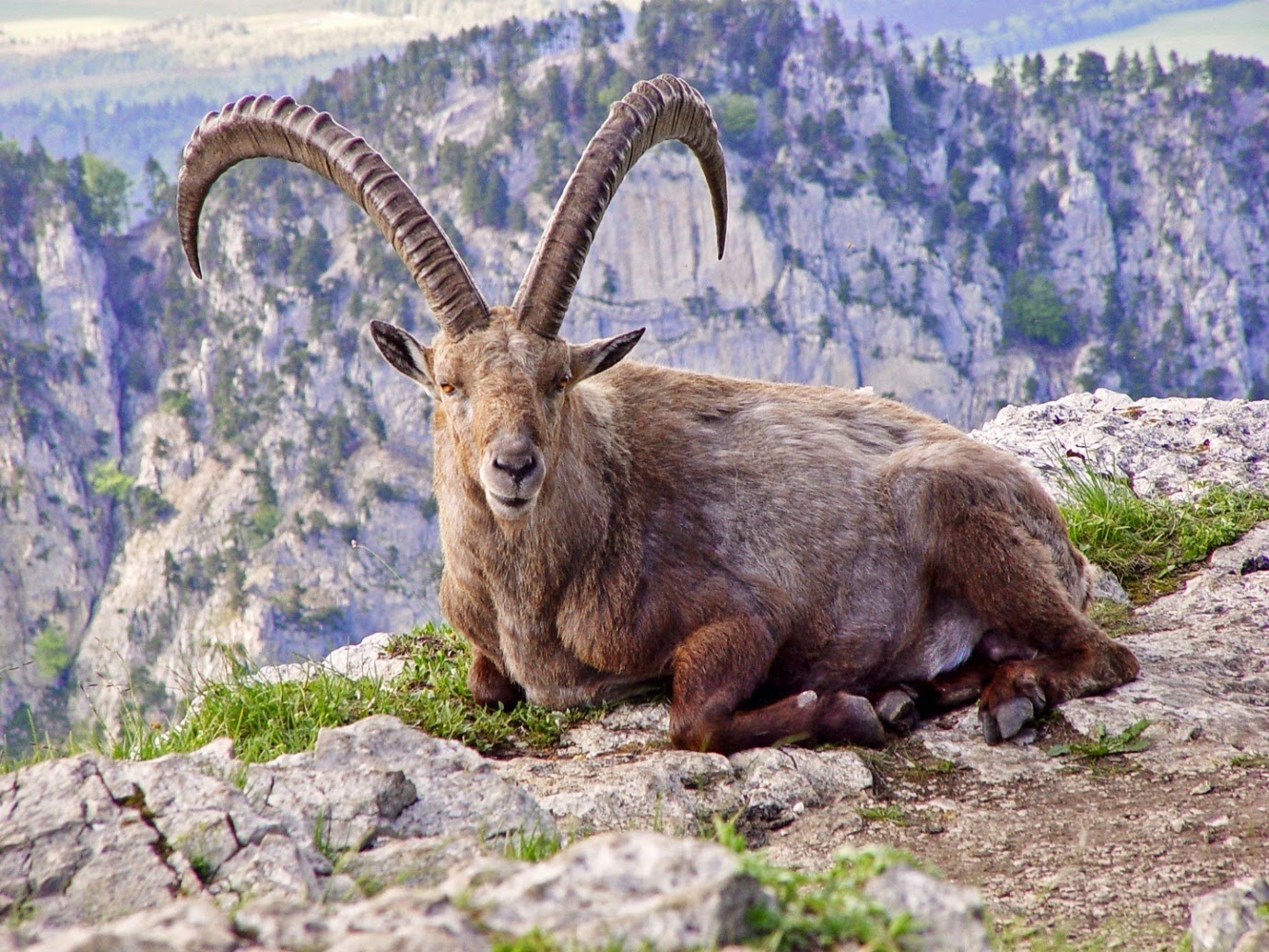
An Iberian wild goat or Spanish ibex subspecies, the pyrenean ibex was endemic only to the Iberian Peninsula area. They were seen across the Southern France, Northern Pyrenees, and Cantabrian Mountains. They were larger than their cousins and became extinct due to habitat loss and hunting. They recently became extinct in 2000, but scientist did attempt to develop a clone from the last of the specie’s female individual. However the clone did not survive that long.
Tasmanian Tiger
Also known as the thylacine, it is the biggest known carnivorous marsupial in modern times. It looked like a cross between a dingo and a tiger, because of the stripes found on its back. Native to New Guinea, Tasmania, and Australia, it’s said that they became extinct during the 20th century. They did become rare before the British created settlements in the island, but they strived in Tasmania together with other endemic species like the Tasmanian devil.
Woolly Mammoth
One of the biggest creature that every walked the earth since the last ice age, we have collected enough samples of DNA to clone these majestic creatures through their cousins, the Asian elephant. These animals were found in the "tundra steppe" which is stretched across northern Asia, many parts of Europe, and the northern part of North America during the last ice age. Researched suggests that the population of these animals started to decline when the earth’s temperatures rose.