
In a land as parched as Kenya's Tsavo West National Park, no visitor arrives with more fanfare than the water man.
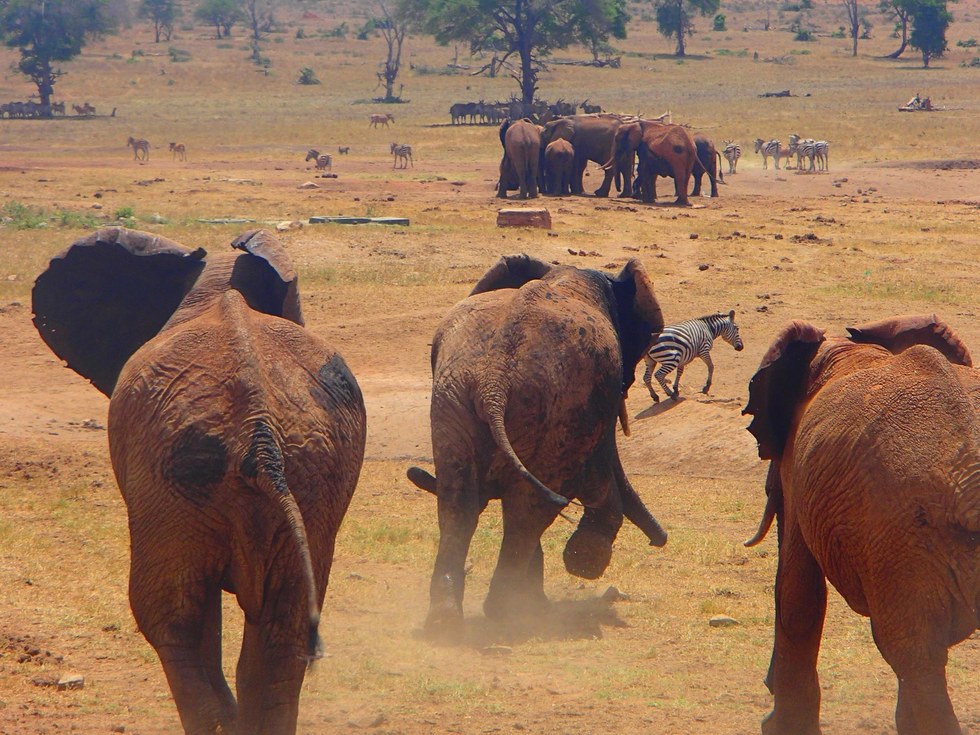
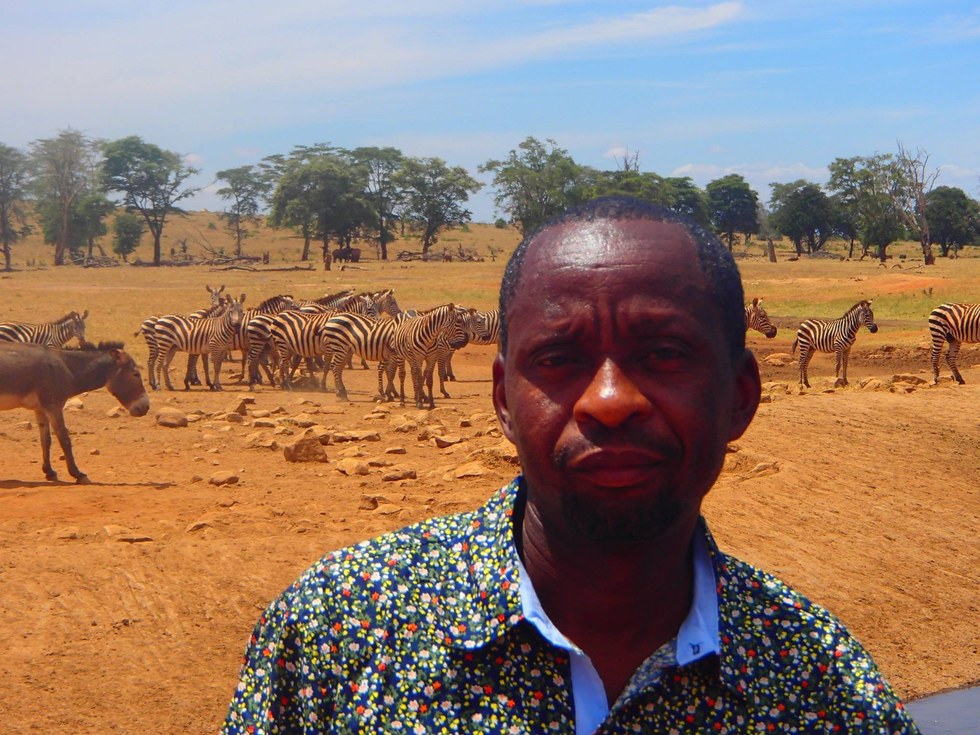
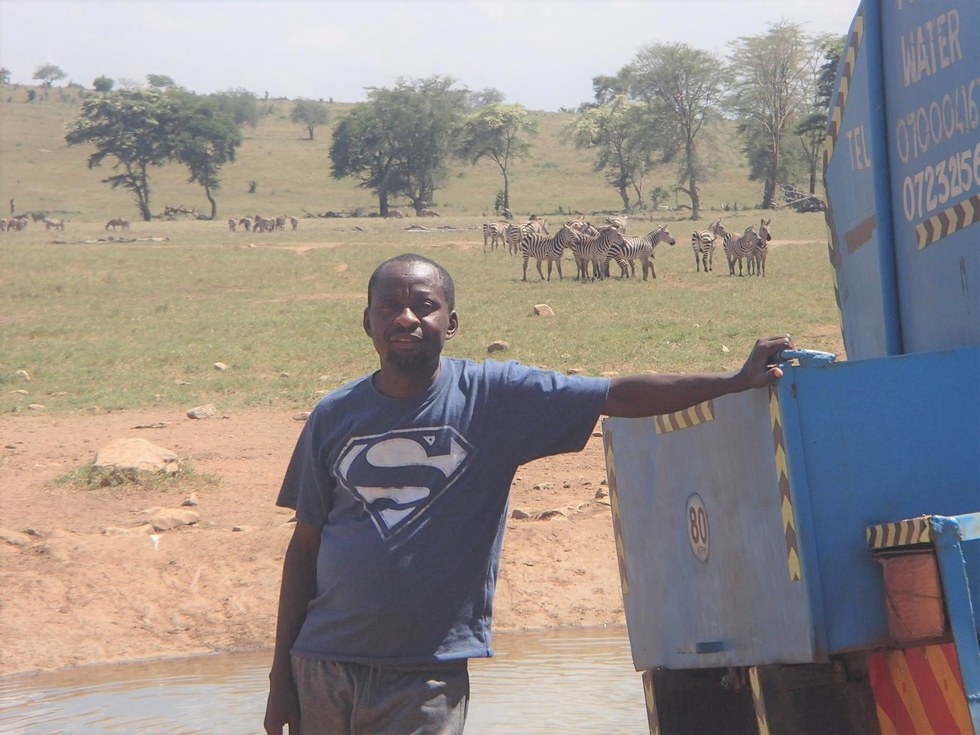
That would be Patrick Kilonzo Mwalua. And when he rumbles down the dusty road bearing some 3,000 gallons of fresh water, the elephants, buffalo, antelope and zebras come running.
They've come to know the water man by the rumble of his engine. And his lifesaving cargo.
"There is completely no water, so the animals are depending on humans," Mwalua tells The Dodo. "If we don't help them, they will die."
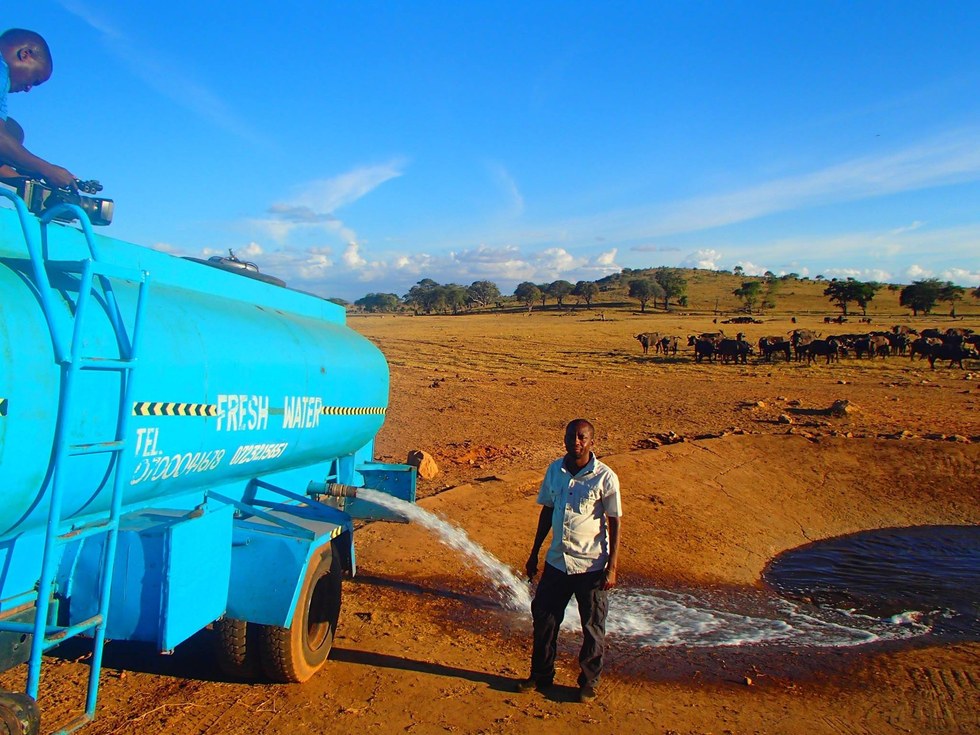 Mwalua
fills the bone-dry watering holes in the region, driving for hours on
end every day to haul water to where it's most desperately needed.
Mwalua
fills the bone-dry watering holes in the region, driving for hours on
end every day to haul water to where it's most desperately needed.
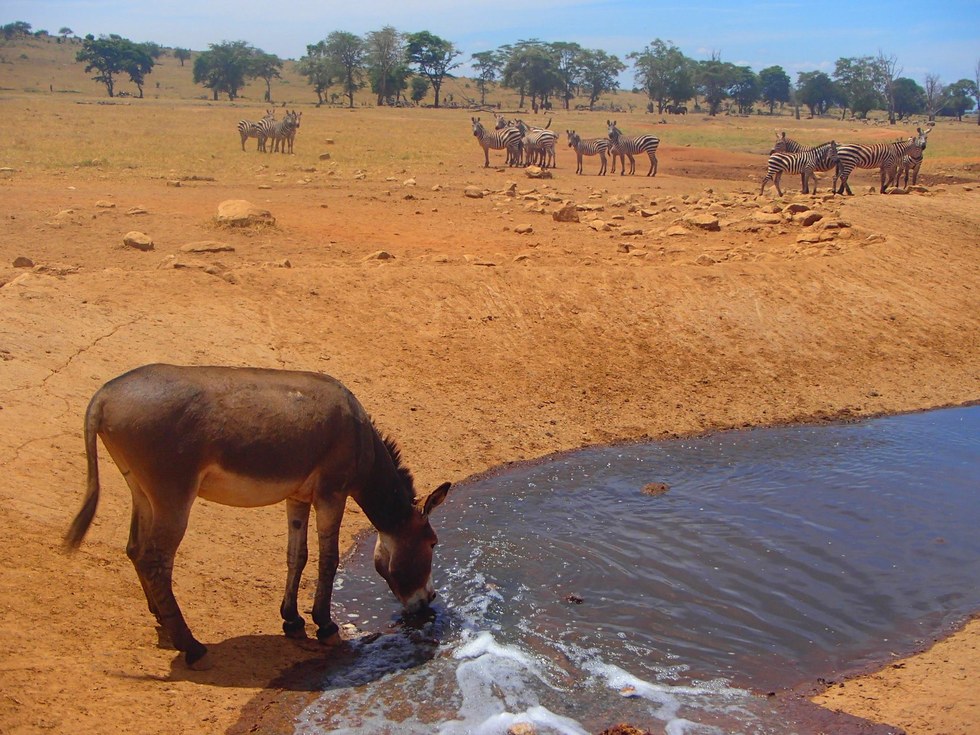
The holes themselves, lined with concrete, often need cleaning — Mwalua blames it on buffalo droppings — and sometimes, he will just hose down an area of cracked earth for the grateful animals.
"The buffalo roll in the mud so they suffocate the fleas and ticks," he says.
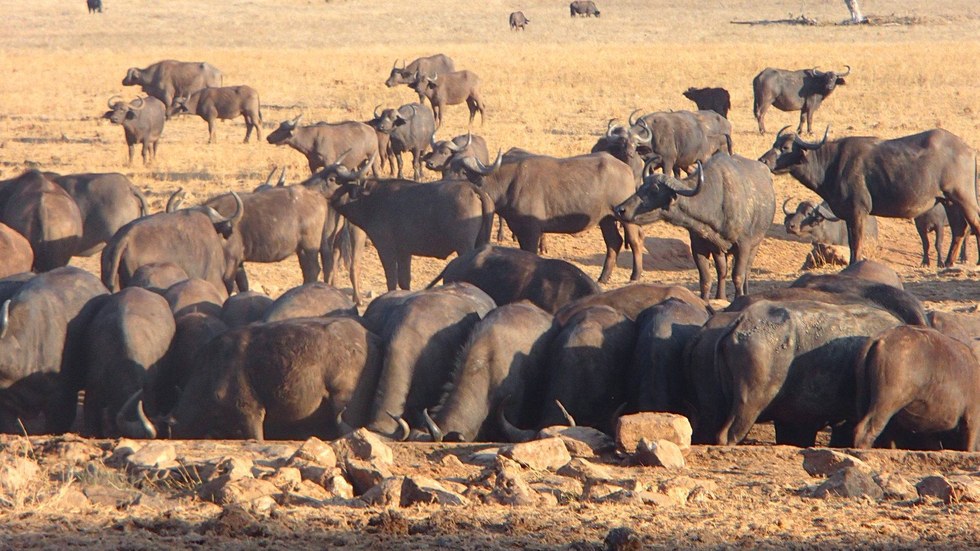
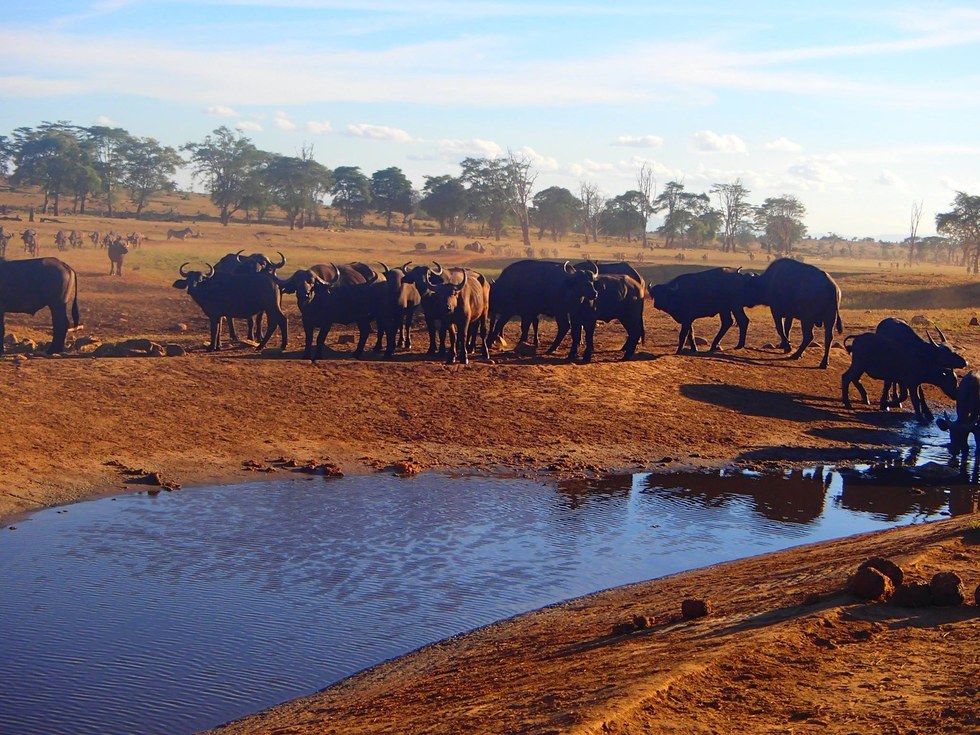 Many animals don't even wait that long, fearlessly crowding the truck as Mwalua cranks the tap.
"Last night, I found 500 buffalo waiting at the water hole," he says. "When I arrived they could smell the water. The buffalo were so keen and coming close to us.
"They started drinking water while I was standing there. They get so excited."
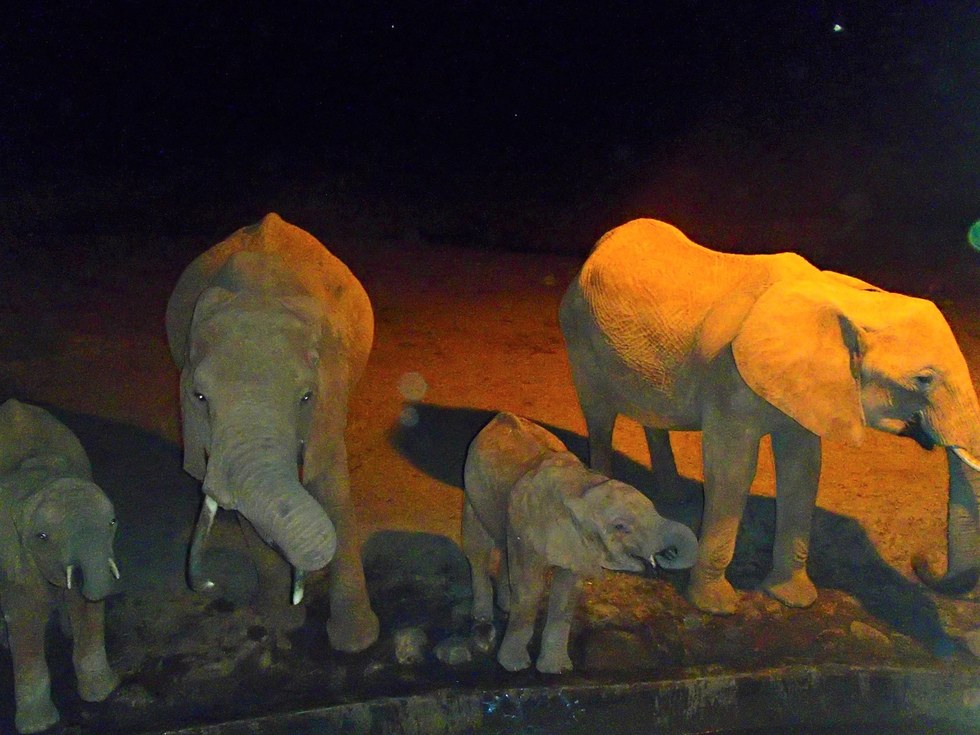 Mwalua,
who is a pea farmer in his local village, came up with the idea after
seeing firsthand the grim toll climate change has taken in his native
land. In the last year especially, he says, the area has seen precious
little precipitation, leaving animals to die of thirst in these cracked
lands.
Mwalua,
who is a pea farmer in his local village, came up with the idea after
seeing firsthand the grim toll climate change has taken in his native
land. In the last year especially, he says, the area has seen precious
little precipitation, leaving animals to die of thirst in these cracked
lands.
"We aren't really receiving rain the way we used to," he says. "From last year, from June, there was no rain completely. So I started giving animals water because I thought, 'If I don't do that, they will die.'"
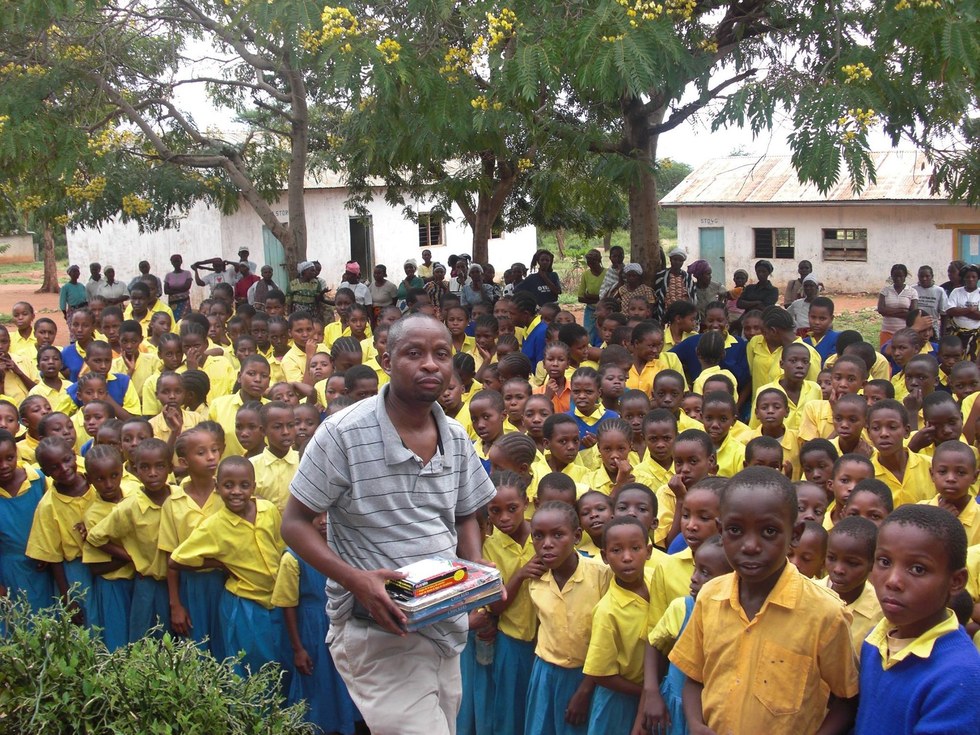
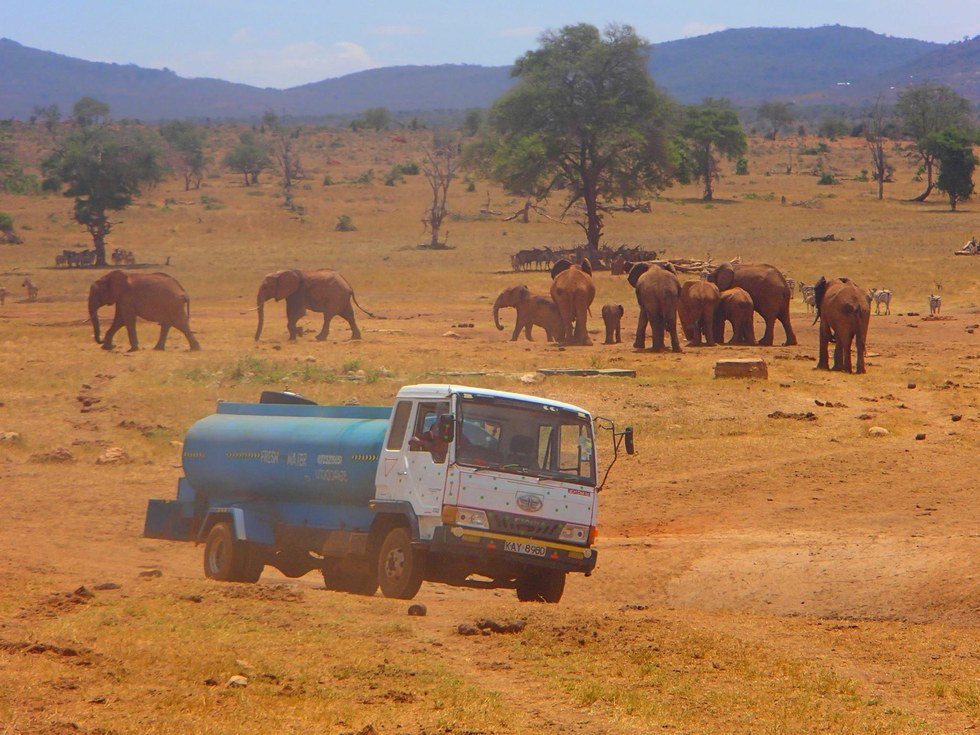 Between road trips, Mwalua runs a conservation project called Tsavo Volunteers. The 41-year-old also visits local schools to talk to children about the wildlife that is their legacy.
"I was born around here and grew up with wildlife and got a lot of passion about wildlife," he says. "I decided to bring awareness to this so when they grow up they can protect their wildlife."
"The truck is heavy and doesn't go very fast," he says. "We have to be very patient and go deliver water."
 But
his lifeline has also extended from that hose in Tsavo West all the way
to the United States — where three women, who have never met him or
each other, help him keep the taps flowing.
But
his lifeline has also extended from that hose in Tsavo West all the way
to the United States — where three women, who have never met him or
each other, help him keep the taps flowing.
 "I
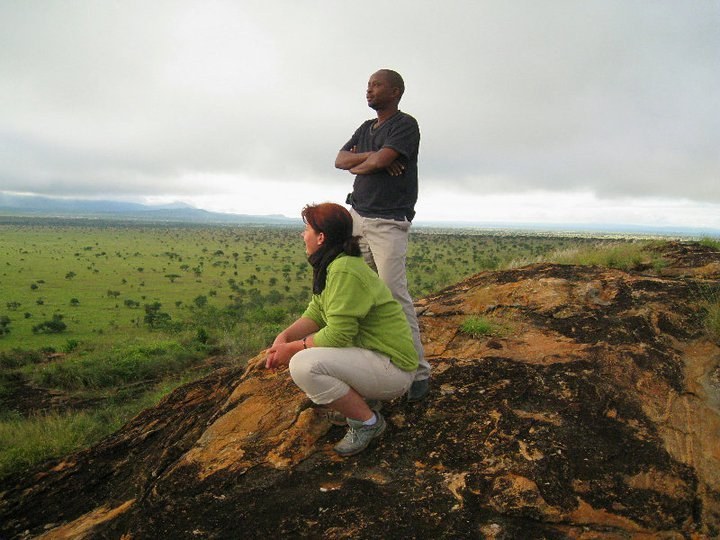
visited Kenya December of 2015, though I didn't know Patrick at the
time or meet him," Angie Brown, who lives in Connecticut, tells The
Dodo. But the country, and especially the plight of its animals, haunted
her.
"I
visited Kenya December of 2015, though I didn't know Patrick at the
time or meet him," Angie Brown, who lives in Connecticut, tells The
Dodo. But the country, and especially the plight of its animals, haunted
her.
When she heard about the most recent drought, Brown connected on Facebook with Cher Callaway and Tami Calliope. The trio — Callaway lives in Utah and Calliope in Vermont — decided to help.
 Callaway,
who has worked with Mwalua on several projects — including fundraisers
for beehives and night patrols to gently scare elephants away from
villages — says Kenya's water delivery man is keeping animals alive
during the current drought.
Callaway,
who has worked with Mwalua on several projects — including fundraisers
for beehives and night patrols to gently scare elephants away from
villages — says Kenya's water delivery man is keeping animals alive
during the current drought.
"His commitment to the wildlife and his heritage is unmeasurable," she tells The Dodo. "Even risking his own life in the middle of the night to deliver water to a dry water hole."
 Callaway set up a GoFundMe page
that has so far collected more than $18,000 from people around the
world — all of it going toward Mwalua's water delivery service.
Callaway set up a GoFundMe page
that has so far collected more than $18,000 from people around the
world — all of it going toward Mwalua's water delivery service.
 "We
have all spent a lot of time getting the word out about the animals
Patrick is helping and the GoFundMe has been a real success," Brown
says. "He needs so much more money though."
"We
have all spent a lot of time getting the word out about the animals
Patrick is helping and the GoFundMe has been a real success," Brown
says. "He needs so much more money though."
In fact, they're hoping to soon buy him his own truck.
 But one way or another, Mwalua will keep rumbling down those dusty roads. Many miles to go. And many more thirsty mouths.
Want to help? Consider making a contribution here.
That would be Patrick Kilonzo Mwalua. And when he rumbles down the dusty road bearing some 3,000 gallons of fresh water, the elephants, buffalo, antelope and zebras come running.
They've come to know the water man by the rumble of his engine. And his lifesaving cargo.
"There is completely no water, so the animals are depending on humans," Mwalua tells The Dodo. "If we don't help them, they will die."
Patrick Kilonzo Mwalua
The holes themselves, lined with concrete, often need cleaning — Mwalua blames it on buffalo droppings — and sometimes, he will just hose down an area of cracked earth for the grateful animals.
"The buffalo roll in the mud so they suffocate the fleas and ticks," he says.
Patrick Kilonzo Mwalua
"Last night, I found 500 buffalo waiting at the water hole," he says. "When I arrived they could smell the water. The buffalo were so keen and coming close to us.
"They started drinking water while I was standing there. They get so excited."
Patrick Kilonzo Mwalua
"We aren't really receiving rain the way we used to," he says. "From last year, from June, there was no rain completely. So I started giving animals water because I thought, 'If I don't do that, they will die.'"
Patrick Kilonzo Mwalua
"I was born around here and grew up with wildlife and got a lot of passion about wildlife," he says. "I decided to bring awareness to this so when they grow up they can protect their wildlife."
Patrick Kilonzo Mwalua
Last
year, Mwalua started renting a truck and driving water to several
locations in Tsavo West. His mission would extend to several trucks,
keeping him on the road for hours every day as he drives dozens of hard
miles between stops."The truck is heavy and doesn't go very fast," he says. "We have to be very patient and go deliver water."
Patrick Kilonzo Mwalua
Patrick Kilonzo Mwalua
When she heard about the most recent drought, Brown connected on Facebook with Cher Callaway and Tami Calliope. The trio — Callaway lives in Utah and Calliope in Vermont — decided to help.
Patrick Kilonzo Mwalua
"His commitment to the wildlife and his heritage is unmeasurable," she tells The Dodo. "Even risking his own life in the middle of the night to deliver water to a dry water hole."
Patrick Kilonzo Mwalua
Patrick Kilonzo Mwalua
In fact, they're hoping to soon buy him his own truck.
Patrick Kilonzo Mwalua
Want to help? Consider making a contribution here.


